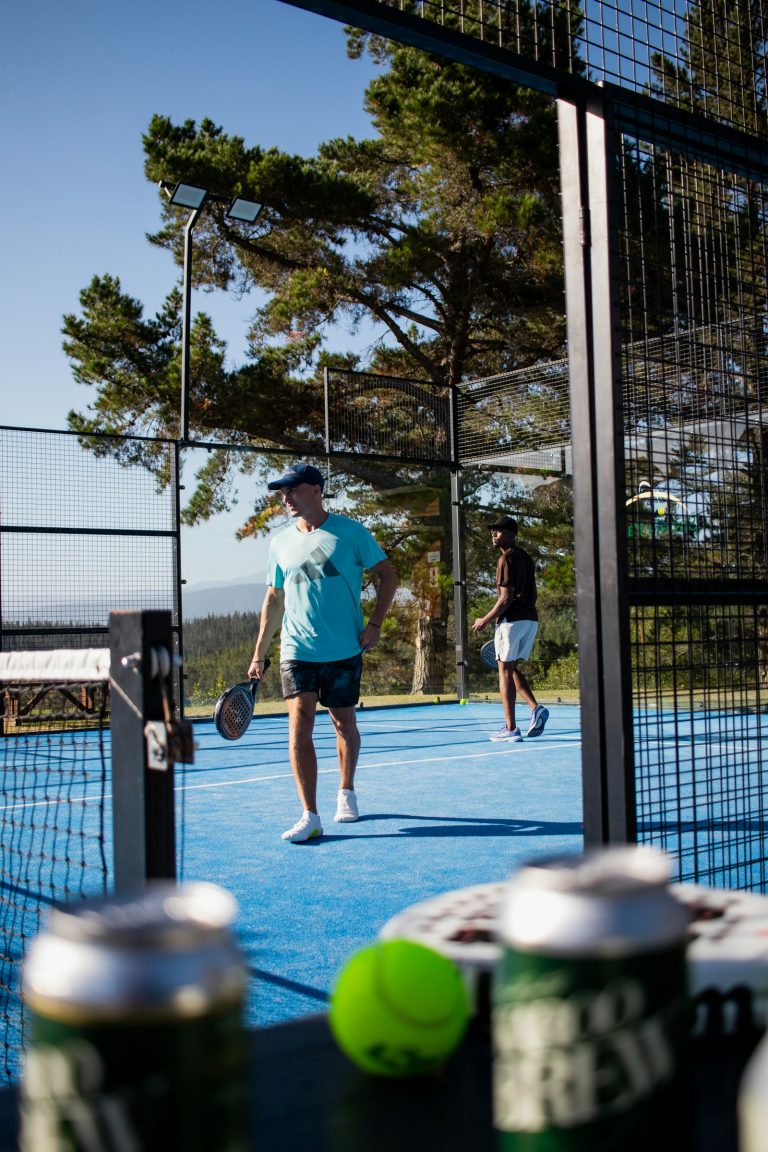
How to play padel if you are a beginner

The ultimate guide to basic padel shots
This post is for everyone who wants to learn padel: how to hit the shots correctly and why this sport is so easy to get into.
Padel has grown much faster than other sports for several reasons. First, it is social: there are countless rankings, tournaments and clubs with coaching, so it is very easy to get four people together for a match.
Second, at amateur level it does not require much technique and it is very rewarding to learn, because you start having fun quickly.
Finally, it is very accessible. Court hire split between four players is affordable, from about €5 to €25 per court per hour. There is also a huge range of equipment at different prices, plus plenty of schools and clubs.
The aim of the game
Besides enjoying yourself, exercising and learning, the main aim is to win the point. Padel is a constant battle to win the net position, and the combination of few errors and good positioning makes a player very hard to beat.
The padel grip
Before the basic shots, let’s look at the grip. Images and videos help a lot at the beginning to picture yourself on court. In this video, top player Paquito Navarro shows three types of grip.

Basic padel shots
These are the first shots you should learn; they are the base for many others.
Forehand
Position: before the forehand, stand in the ready position, knees slightly bent and feet shoulder-width apart. Your dominant hand holds the racket with a continental grip and your other hand rests on the throat of the racket.
Preparation: as the ball comes, take small steps and turn side-on so the ball stays in front of you. Keep the backswing short and start it as early as possible, as soon as you see the ball coming to your forehand, to gain time and hit the ball out in front.
Keep your hitting arm close to your body. Your non-dominant hand goes in front as a reference for the impact and helps you keep the right distance from the ball.
Weight transfer is key: during the backswing your weight is on your back leg, and as the ball approaches it shifts to your front leg to drive the impact.
In this video you can see how to prepare the shot with a short or long backswing:
Impact: always side-on and level with your front leg, never facing the ball. The contact point varies with the direction you want to give the ball.
Follow-through: not abrupt; look for a natural, progressive movement that ends at the height of your non-dominant hand. Then return to the ready position for the next shot.

Backhand
Position: ready position, knees slightly bent, feet shoulder-width apart, continental grip, with your other hand on the throat of the racket.
Preparation: take small steps and turn side-on so the ball stays in front of you. As with the forehand, keep the backswing short and early. Turn your shoulders gently so that your right shoulder points at the ball (left if you are left-handed). Keep your non-dominant hand on the racket throughout the preparation. Your weight starts slightly on the back leg and shifts to the front leg as the ball arrives.
Impact: always side-on, never facing the ball, slightly in front of your hip. The contact point depends on the direction and spin you want, but it should always be slightly in front. At impact your left arm moves back, giving stability and marking the end of the stroke.
Follow-through: natural and progressive. The non-dominant arm keeps moving back while the hitting arm finishes with the edge of the racket pointing forward. Transferring weight from back to front adds power. Then return to the ready position.
In this Telemadrid video you can see the backhand:
Choosing your first racket? Read our guide to padel rackets for beginners.
Rackets for beginners

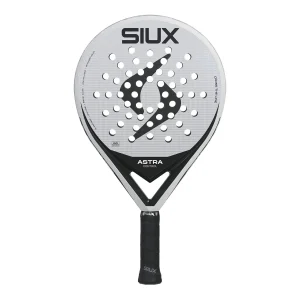

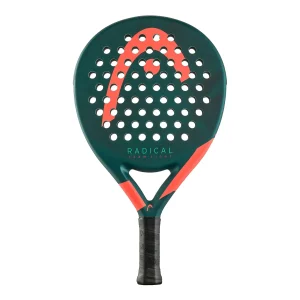
Not sure which one to choose? Take the “Find your racket” quiz or browse all rackets.