Indoor or outdoor padel: what changes in the game, the racket and the balls
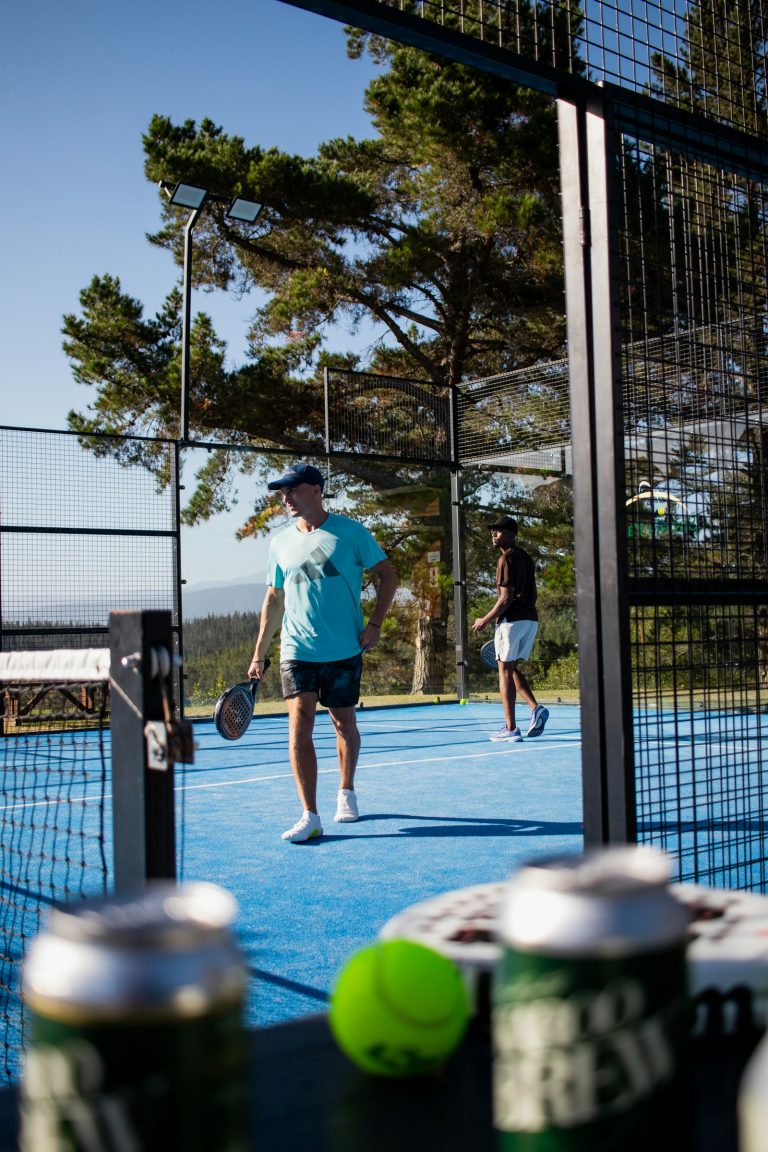
If you switch between indoor and outdoor courts you’ll have noticed: some days the ball flies and others it seems not to leave the racket. It’s not just your fitness. Temperature, damp, wind and the type of court change how the ball bounces and how the racket responds.
Indoor court: faster, more predictable play
- No wind or sun: lobs and bandejas are easier to control.
- More stable temperature: the ball keeps its pressure and the bounce is more consistent.
- More speed in winter: since it doesn’t get as cold, the ball comes off livelier than outside.
- More heat in summer: in non-air-conditioned halls the ball becomes very fast and hard to control.
Outdoor court: the weather plays too
- Wind: affects lobs and forces you to play lower.
- Cold: the ball bounces less and the racket feels harder. We explain it in padel in winter.
- Heat: the ball flies and smashing it out of the court is easier.
- Damp: the ball gets heavier and the turf slows the bounce.
How to adapt your racket
You don’t need two rackets, but it helps to know what happens:
- If you mostly play outdoors in the cold, a soft or medium-feel racket helps you get the ball out without straining your arm.
- If you play on fast indoor courts or in the heat, a firmer racket gives you control when the ball comes fast.
- Teardrop rackets with medium balance adapt best to any conditions.
And the balls
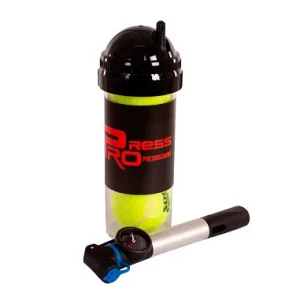
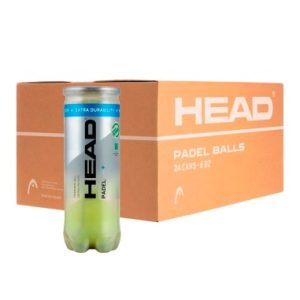
Balls lose pressure with use and with the cold. Open a new tube for important matches and, if you play a lot, a pressuriser extends their life. See our padel balls and the guide how to choose balls.
- PavigrassRed Padel 4MM Linea Premium Competición PavigrassOut of stock125,50 €
RRP 150 €Notify me when it's back

Not sure which racket suits your courts? Ask Zoe, our assistant, or take the “Find your racket” quiz.