Padel in winter: how cold and damp affect your racket and the ball
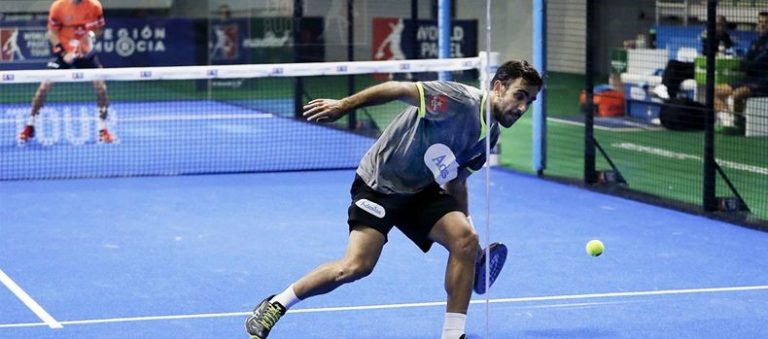
If you play on outdoor courts you’ll have noticed: in winter the ball bounces less, comes off slower and the racket feels harder. It’s not your imagination. Cold and damp change how materials behave, and how your body behaves too. Here’s what happens and how to adapt so you keep enjoying padel in winter.
What happens to the ball in the cold
A padel ball is pressurised: the air inside is at higher pressure than outside. At low temperatures that air contracts and the rubber becomes less elastic, so:
- It bounces less on the ground and comes off the walls less.
- It travels slower and it’s harder to smash it out of the court.
- It feels heavier if the court is damp, because the felt absorbs water.
Practical tip: open a new tube for winter matches, store balls at room temperature and, if you play often, a pressuriser will help them last longer.
What happens to the racket in the cold
The core of most rackets is EVA rubber or foam. These materials harden in the cold, so the racket feels harder and gives less ball exit. Rackets that are already hard feel it more.
- If in winter you feel the ball “won’t come off”, you haven’t lost your level: it’s the rubber.
- Rackets with a soft or medium feel suffer less from the change and are more forgiving in winter.
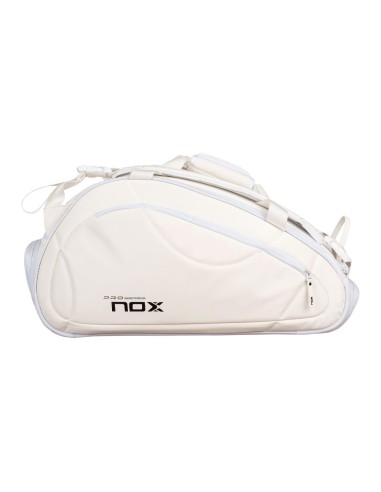
- Don’t leave your racket in the car overnight: sudden temperature changes are bad for the core and the carbon. Keep it in a racket bag with a thermal compartment.
If you have questions about materials, we explain them in EVA vs foam.
How to adapt your game in winter
- Patience at the back. The ball comes off the wall less: stand a step closer to the glass and don’t expect it to reach you as high.
- More lobs and fewer flat smashes. Smashing the ball out is much harder. Use the bandeja and the víbora to hold the net; we explain how in víbora and bandeja.
- Low balls at the feet. With a slower ball, low shots at the body of the opponent at the net do a lot of damage.
- Watch out for damp. Wet lines and turf are slippery; brake earlier and adjust your footwork.
Warm up more than in summer
In the cold, muscles and tendons take longer to be ready. Spend at least 10-15 minutes warming up: ankle, hip and shoulder mobility, lateral movement and gentle shots before going hard. You’ll find a full routine in padel warm-up.
Winter kit
- Thin layers you can take off mid-match.
- A new absorbent overgrip: with damp and cold hands, a worn overgrip slips a lot. We have overgrips from every brand.
- Shoes with good grip and a herringbone sole for damp courts: we cover it in which padel shoes to buy.
Frequently asked questions
Why does the padel ball bounce less in winter?
Because the air inside contracts in the cold and the rubber loses elasticity. The result is less bounce and less speed.
Is it bad to leave the racket in the car in winter?
Yes. Very low temperatures and sudden changes harden the core and, over time, can affect how it plays. Keep it at home or in a thermal racket bag.
Which racket is best for playing in winter?
A racket with a medium or soft feel, which keeps its ball exit even when the temperature drops. For a personalised recommendation, take the “Find your racket” quiz.
Rackets you might like
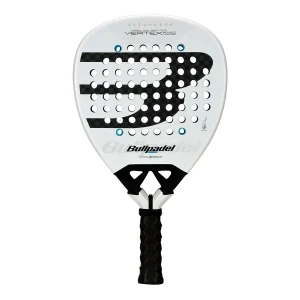
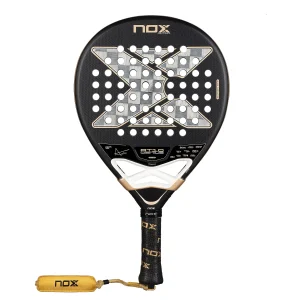
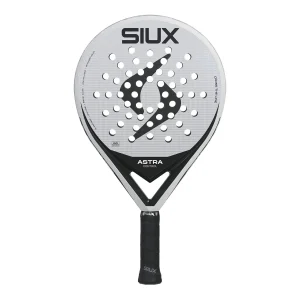

Not sure which one to choose? Take the “Find your racket” quiz or browse all rackets.