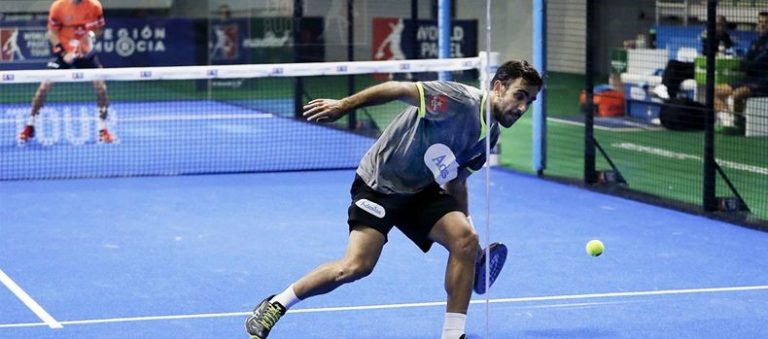
How and when to go to the net in padel
Going to the net is one of the most common tactics in a padel match. It is not compulsory, but it is highly recommended.

How to go to the net in padel
Playing at the net requires specific technique: depending on the area and your opponent’s reply, you will need trays (bandejas), volleys, víboras or smashes, and not everyone has them. If one of these shots is your weak point, it is not wise to rush to the net on every point. First, know your strengths and weaknesses on court so you know how to act at each moment.
Keys to going to the net
Playing at the net lets you take the initiative
At the net you control the point and put more pressure on your opponents. Even so, if you have not mastered the timing and execution of net shots, it is better not to go up too often. Remember that you do not have to go to the net on every point.
The net as a player’s strength
When a pair stands out for its net play, there are many benefits. Building points from the net lets you play far more decisive shots and put more pressure on the other pair. Smashes and volleys will win you many points if you are patient and do not rush to finish the point too early.
Going to the net as a pair
Never go to the net without your partner: it creates a gap that seriously hurts the pair. It is fairly easy to lose a point when one of you is out of position.
Don’t force the winner
Avoid the temptation to finish points quickly from the net; patience will be your greatest virtue. Work the point until you reach a situation that lets you finish with a smash or a volley. Being at the net does not mean attacking on every shot, but being ready to attack and knowing when to finish the rally.
What should I do at the net?
A widely used technique is the “windscreen wiper”. It helps you cover spaces and move as a block with your partner. At the net, the aim is to close the gaps in the line formed between the court and the two net players.
When you cover the spaces well and are in no hurry to finish, you force your opponents to be more precise to pass the ball. This creates a domino effect and leads to more errors from the back of the court as they try to aim their shots.
The hard part is blocking a well-placed, fast shot. Besides good technique, you must always be on guard. Never go to the net expecting an easy ball: it will relax you and often cost you points through haste. Go up to pressure your opponents and force their errors.

In short: if you go to the net, stay focused, force your opponents’ errors by closing all the gaps and finish the point when the right chance comes. Above all, don’t give away points at the net!
Rackets you might like



Not sure which one to choose? Take the “Find your racket” quiz or browse all rackets.